

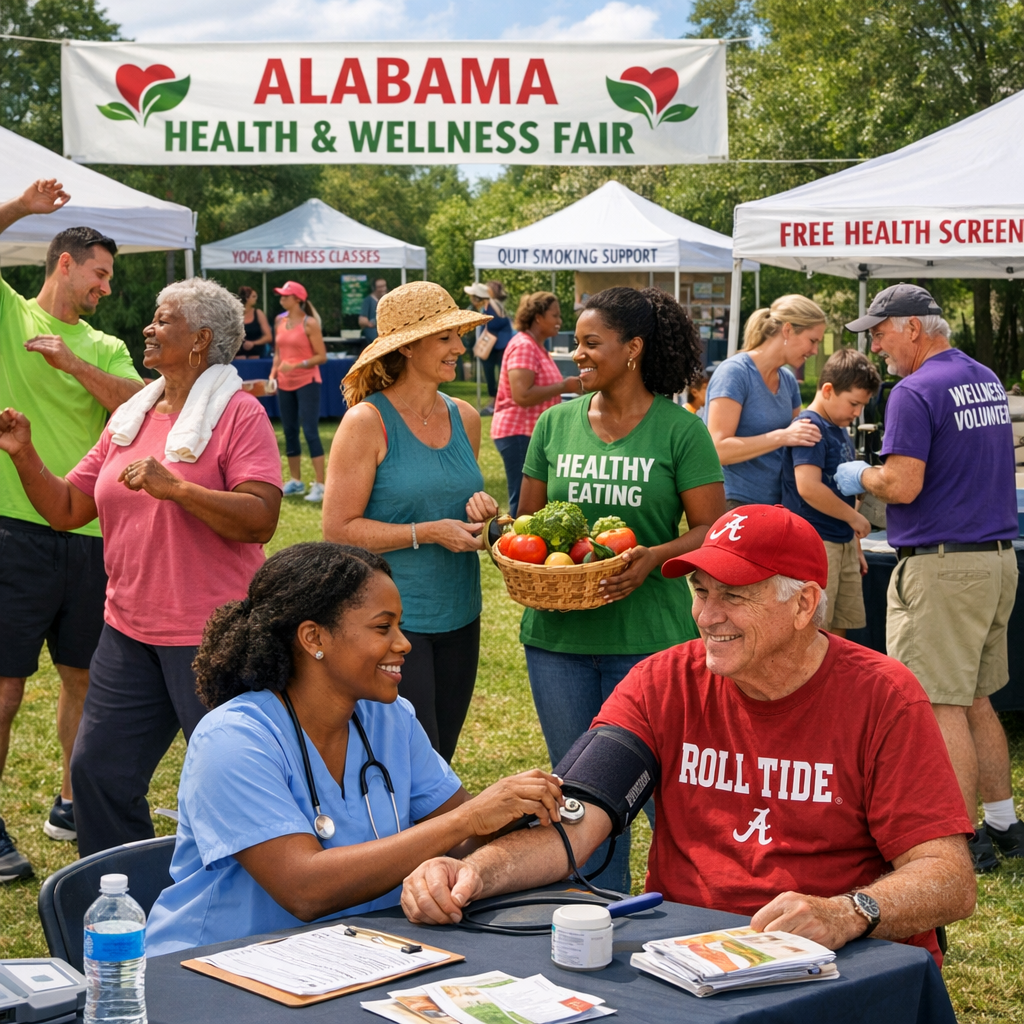
Across Alabama, communities are actively engaging in initiatives aimed at improving health and wellness through strategic partnerships and programs. These efforts not only address immediate health concerns but also lay the groundwork for sustainable, long-term benefits.
Healthy Alabama Communities Initiative
The Healthy Alabama Communities program empowers cities and towns to prioritize residents’ health by implementing environmental, policy, and system changes. Participating communities receive resources and technical assistance to make meaningful health improvements. For instance, Saraland expanded fitness programs and improved walkability, while Helena connected trails and sidewalks to promote physical activity. These cities have set strong examples for others aiming to foster a culture of health and wellness. Learn more about the Healthy Alabama Communities initiative.
University-Led Community Engagement
Academic institutions in Alabama are also playing a pivotal role in community health. The University of South Alabama’s Office of Community Engagement facilitates partnerships between faculty, students, and local organizations to address public health needs. Similarly, the University of Alabama’s Crossroads Civic Engagement Center focuses on developing engaged citizens through teaching, research, and service, emphasizing values, knowledge, skills, and action. These university-led initiatives enrich scholarship and prepare an engaged workforce committed to community well-being. Explore the University of South Alabama’s community engagement efforts. Discover the University of Alabama’s Crossroads Civic Engagement Center.
Addressing Health Disparities
To tackle health disparities, the Alabama Community Engaged Alliance (CEAL) focuses on community-driven approaches. Their Prescription for Community Health initiative aims to help residents make neighborhood-wide changes to address social determinants of health barriers, such as access to healthy foods and opportunities for physical activity. This program exemplifies how collaborative efforts can lead to significant improvements in community health. Read more about Alabama CEAL’s initiatives.
These collective efforts underscore a statewide commitment to fostering healthier communities through collaboration, education, and strategic action. By leveraging resources and building partnerships, Alabama continues to make strides in enhancing the well-being of its residents.