

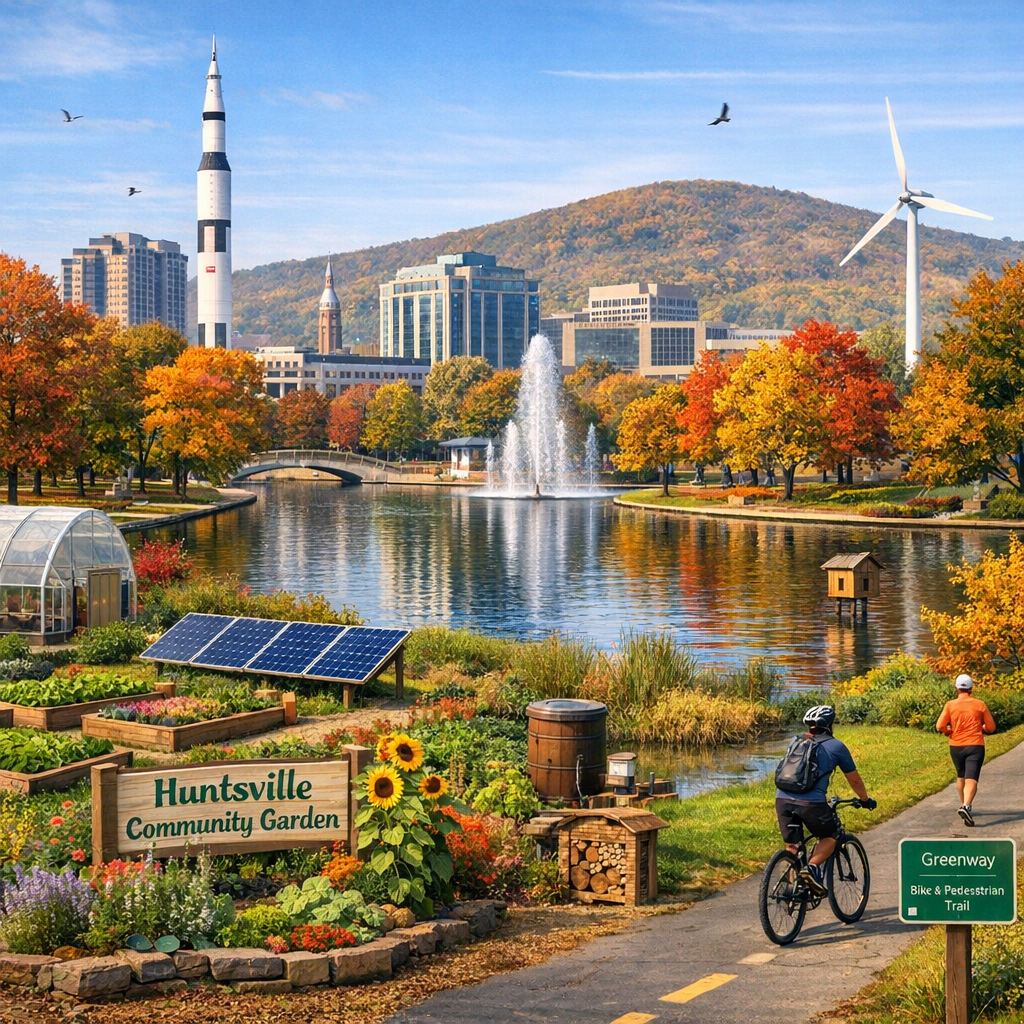
Huntsville, Alabama, experiences a humid subtropical climate, characterized by hot, humid summers and mild winters. This climate influences various aspects of daily life, from outdoor activities to energy consumption.
Seasonal Overview
Spring
Spring in Huntsville brings mild temperatures and blooming flora. Average highs range from the low 60s in March to the mid-70s by May. This season is ideal for outdoor activities and gardening.
Summer
Summers are hot and humid, with average highs in the upper 80s to low 90s. Thunderstorms are common, providing brief relief from the heat. Residents should stay hydrated and take precautions against heat-related illnesses.
Fall
Fall offers cooler temperatures and vibrant foliage. Highs decrease from the mid-80s in September to the mid-60s by November. It’s a popular time for hiking and enjoying the natural beauty of the area.
Winter
Winters are generally mild, with average highs in the 50s and lows in the 30s. Snowfall is rare but possible. It’s advisable to prepare for occasional cold snaps.
Environmental Initiatives
Huntsville is committed to sustainability and environmental stewardship. The city has established the Huntsville Environmental Sustainability Committee to advance community-wide sustainability efforts. This committee focuses on areas such as air and water quality, energy efficiency, and urban planning.
Additionally, the city is developing the Joy McKee Arboretum at John Hunt Park. This three-acre project aims to showcase native trees and plants, serving as a “living museum” for environmental education and conservation.
Understanding our local climate and participating in these initiatives can help residents contribute to a more sustainable and resilient Huntsville.