

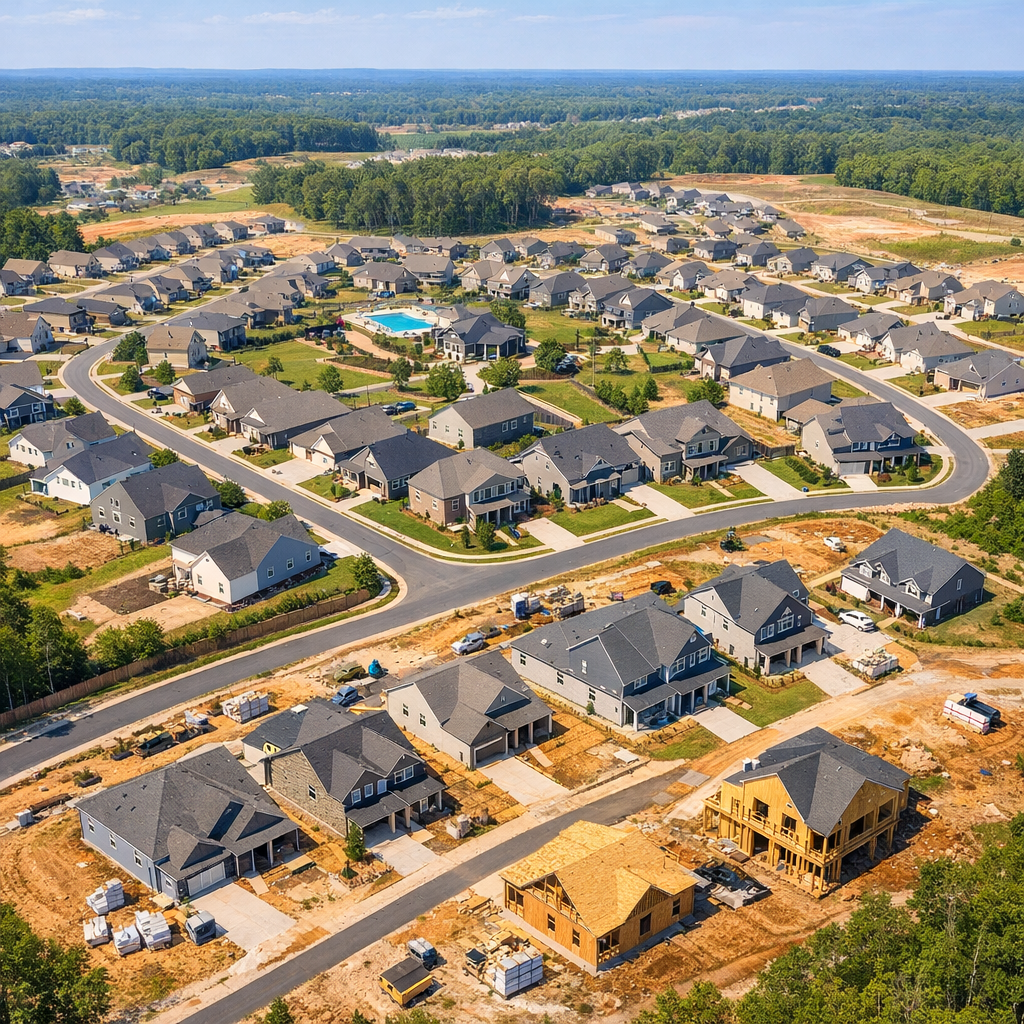
Alabama’s real estate market has been experiencing notable shifts, reflecting broader national trends while maintaining unique local characteristics. Understanding these changes is essential for prospective buyers, sellers, and investors aiming to make informed decisions.
Market Trends
Recent data indicates a steady appreciation in home prices across the state. As of March 2026, the median home sale price in Alabama reached $299,000, marking a 3.7% increase compared to the previous year. This upward trajectory suggests a resilient market, offering opportunities for sellers to capitalize on growing property values.
Simultaneously, the inventory of homes for sale has expanded. In March 2026, there were 29,523 homes available, reflecting a 6.0% year-over-year increase. This rise in inventory provides buyers with a broader selection, potentially easing the competitive pressures seen in previous years.
Rental Market Insights
The rental sector has also seen significant activity. Statewide, there are approximately 6,000 rental listings, with a median rent of $1,600 per month. This stability in rental prices indicates a balanced market, accommodating both tenants and landlords.
Local Developments
Several development projects are reshaping Alabama’s urban landscapes. In Huntsville, the MidCity district is undergoing a substantial $300 million expansion, introducing a 3,000-seat indoor music venue, two new hotels, and an Innovation Tech Campus. This initiative aims to transform the area into an ’18-hour district,’ enhancing its appeal to residents and visitors alike.
In Auburn, Parmer Development continues to contribute to urban revitalization through various projects, including the development of single-family homes and student housing. Their efforts focus on transforming underutilized areas into vibrant communities, reflecting a broader trend of urban infill and redevelopment.
Conclusion
Alabama’s real estate market is characterized by steady growth in home prices, increased inventory, and dynamic development projects. These factors contribute to a balanced environment, offering opportunities for buyers, sellers, and investors. Staying informed about these trends is crucial for navigating the evolving landscape of Alabama’s housing market.