

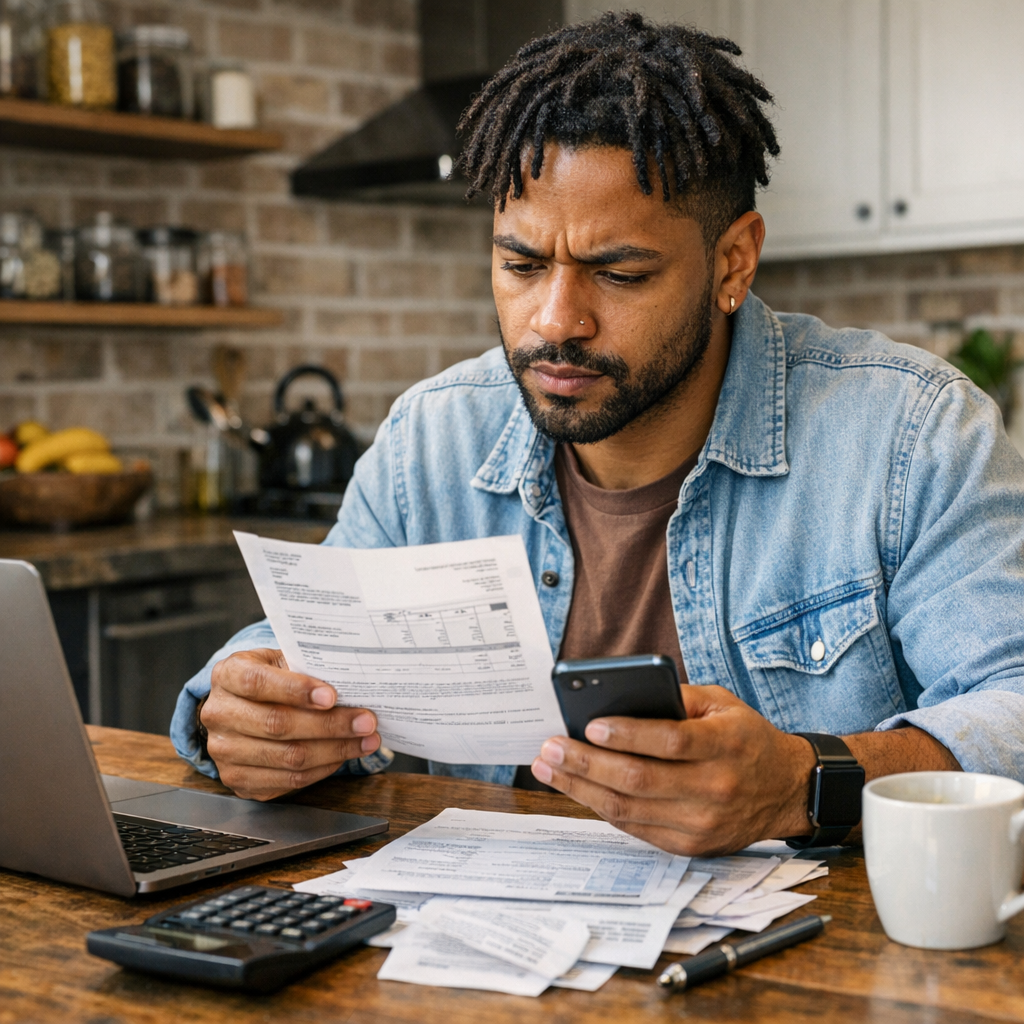
By James Williams — Huntsville communities are tied to broader national trends. As the U.S. economy evolves, so does the daily reality for folks here: rising bills, gas prices, and questions about who bears responsibility for economic wellbeing.
Where Inflation Stands
Recent data shows inflation has cooled slightly. The overall Consumer Price Index rose just 0.1% in July after a fall in June, and the year-over-12-month inflation rate is about 3.4%. Energy prices fell, while food and shelter costs nudged upward at modest rates. Core inflation—excluding volatile food and energy—was up about 2.5% year over year. That’s still over many central bankers’ target, but a step down from prior highs. The economy is far from the runaway inflation of earlier years, yet people are still feeling the squeeze.
Job Market & Growth: A Mixed Picture
Signs point to resilience. Employment remains steady, with gains continuing though not as dramatic as during the rebound periods. Some economists say growth has become narrower—meaning less broad-based across sectors. Wage gains are happening, but for many, the improvement hasn’t kept pace with rising costs.
Public Sentiment: Confidence Is Low
A recent Pew Research Center survey captures the mood: fewer than one in four adults rate current economic conditions as good or excellent. Most describe them as fair or poor. There are partisan differences—Republicans remain more optimistic than Democrats—but even among GOP supporters, positive ratings have slipped.
Notably, about six in ten Americans believe President Trump’s economic policies have made conditions worse. Just one in five say those policies helped. Issues like healthcare, housing, and gas prices top the list of concerns for most people.
What This Means for You in Huntsville
In Huntsville and across North Alabama, these national trends translate into real impacts. Monthly bills—rent, groceries, utilities—often take up a larger share of household income than before. Those commuting longer distances feel the effects of fuel price swings more acutely. Savings goals are harder when inflation erodes earnings and interest rates eat into borrowing costs. Trust in government’s ability to manage inflation or control costs continues to be a vote-measured commodity.
For residents and local leaders, monitoring inflation trends, advocating for consumer protections, and supporting wage growth are crucial. Understanding how government policies—from federal to state—affect household budgets helps foster more informed decisions at the ballot box and in daily life.
Looking Ahead
Economists will watch inflation data in upcoming months, especially for food and housing—areas where prices have stayed stubborn. Job growth and wage gains are key to ensuring recovery is felt broadly. And with midterm elections underway, economic concerns will remain central in public debate and policy proposals.